National Grains Office: “Reported disruptions in wheat production and distribution only transient”

الشروق أونلاين
-
-
1391
-
0
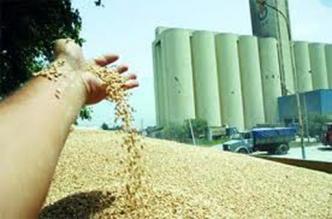
The General Manager of the National inter-professional Grains Office, Mr Kahel Noureddine, has discounted reports that Algeria is in the grips of a looming wheat crisis saying that the current disruptions will be ironed out shortly. He stressed that the situation of the vital cereals' sector was now under the close perusal of the relevant authorities.
- Mr Kahel told “Echorouk” that the reported disturbances in the availability of durum and soft wheat on the national market were mainly due to an uneven and unequal distribution across some provinces of the country.
- However, several baffled traders have spoken over the past few days of a dire lack of cereals including wheat and flour on the national market arguing that these vital agricultural products were being smuggled from Algeria into neighbouring Tunisia and Libya by unscrupulous traffickers and speculators eager to garner loads of easy money.
- Algeria has decided to bolster its agricultural self-sufficiency through irrigation projects and tax breaks for local producers.
- Food security is a tricky topic to grasp because food doesn’t just rely on the water and sun it needs to grow but also on the price of oil, the right climate and suitable agricultural land.
- These along with other factors such as the health of the economy and political stability all affect the price of food staples which we rely on and illustrate the complexity of food security.
- In response to its own food riots in early January, Algeria has launched a range of projects to improve its agricultural self-sufficiency and food security.
- According to reports by the Oxford Business Grouop, Algeria wants to improve its food security by discouraging imports and raising local production through irrigation projects to limit the country’s vulnerability to external commodity shocks.
- As the world fourth largest importer of wheat, Algeria is slowly reducing its dependency with wheat imports falling by 8.5% between 2009 and 2010. Cereal imports were also down from around $5.4bn in 2009 to $5.2bn in 2010.
- To help bridge the gap, irrigation projects are planned to increase domestic crop production- the government wants to expand its irrigation networks and increase irrigated surface area from around 400,000 hectares to 1 million hectares by 2015.
- Around 9,000 hectares of land in the Bouira and Bejaia provinces have already been earmarked for irrigation which will boost agricultural production in the area from around 30,000 tonnes to more than 120,000 tones a year.
- The milk and dairy sector had also been targeted for improvements to productivity and efficiency through training programmes initiated by the relevant ministerial departments.
- As the Global Arab Network remarks: “Should the Algerian government’s initiatives bear fruit, then the increased domestic production will go a long way to reducing the dependency on imports, buffering the country’s economy from external commodity shocks and increasing the efficiency of the local agricultural sector. This, in turn, should help keep prices lower and shelves stocked.”