Parties Eye Key Parliamentary Posts Ahead of New Assembly’s First Session
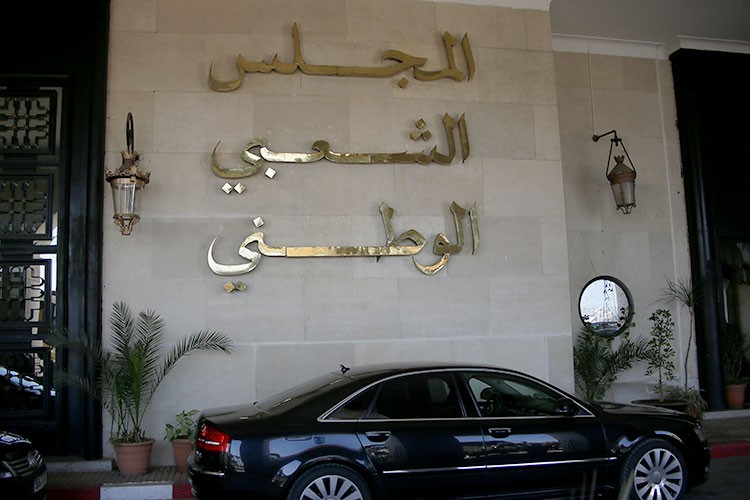
With just 10 days remaining before newly elected members of the National People’s Assembly are sworn in, political parties that secured seats in the recent legislative elections have begun preparations to select their representatives for the parliament’s leadership and internal bodies.
Discussions are underway over candidates for key positions, most notably the Speaker of the Assembly and the deputy speakers, as well as the heads of parliamentary groups, standing committees, and committee rapporteurs, amid growing anticipation over the outcome of political consultations and internal party deliberations.
While the election of the Speaker of the National People’s Assembly is governed by constitutional provisions, parliamentary regulations, and the political balance resulting from the legislative elections, the formation of the Assembly’s remaining structures—including deputy speakers, parliamentary group leaders, committee chairs, deputy committee chairs, and rapporteurs—is largely determined by each party’s internal rules, the composition of the new parliament, and the distribution of seats among political forces. The selection process within parties and parliamentary groups typically relies on either appointments by party leadership or internal elections conducted by a ballot.
Days after the Constitutional Court announced the final results of the legislative elections, and ahead of the inaugural session of the new National People’s Assembly—expected to take place on August 2—several political parties have already begun preparing for the next phase by discussing potential nominees for leadership positions within the new parliamentary structures. Particular attention is being given to the deputy speakers, who, together with the Speaker, make up the Assembly’s Bureau, the first governing body to be established at the start of the new parliamentary term.
The positions of deputy speaker carry particular significance at this stage because they are central to the formation of the Assembly’s Bureau before the establishment of the remaining parliamentary bodies, including the standing committees and their executive offices, as well as the parliamentary groups and their leadership. Each political party represented in the Assembly is seeking to secure representation within these structures in proportion to the number of seats it holds.
Alongside consultations among the various political parties over the allocation of key positions, each party is expected to launch internal discussions to select its representatives for the different parliamentary bodies. In the early stages of the new term, appointments are likely to be made directly by party leadership, although some positions may be opened to internal competition, particularly where multiple candidates seek the same office.
As the parliamentary term progresses and legislative work becomes more established, parties are expected to rely increasingly on internal elections. By then, lawmakers will have become more familiar with one another, paving the way for greater competition over positions within parties and parliamentary groups, especially committee chairmanships and membership of committee executive offices.
The formation of the new parliamentary structures is expected to begin with the Assembly’s Bureau, followed by the establishment of parliamentary groups and the election of their leaders. Attention will then turn to the composition of the standing committees and their executive offices, including committee chairs, deputy chairs, and rapporteurs. The allocation of these positions will largely reflect each party’s parliamentary strength, while also taking into account internal political considerations and party dynamics.
Standing committees—including those responsible for finance, legal affairs, foreign affairs, and economic affairs—play a pivotal role in the legislative process. They are tasked with examining draft legislation, reviewing legislative proposals, and overseeing issues within their respective jurisdictions.
As a result, committee chairmanships are among the most sought-after positions in parliament, granting their holders significant influence over committee proceedings and the direction of debate on key legislative and policy matters.