Reasons for Algeria’s Fears of ECOWAS Sanctions on Mali
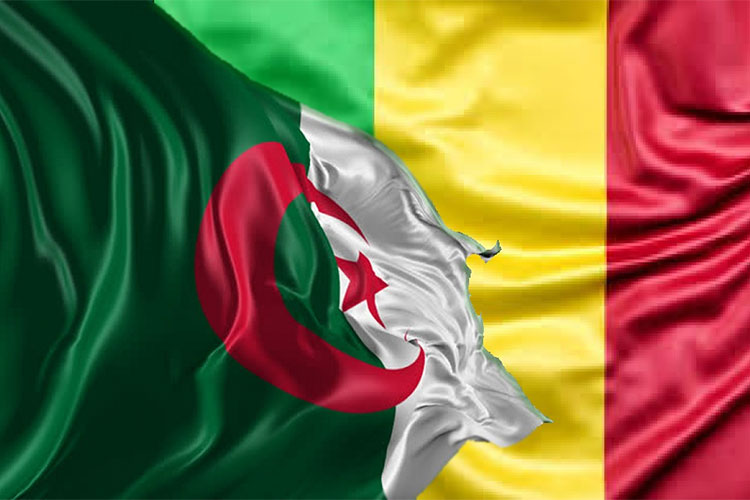
Algeria launched an initiative to contain the developments of the situation in its southern neighbour, Mali, following the decision of the Economic Community of West African States (ECOWAS) to impose sanctions on Bamako, against the backdrop of the latter’s decision to postpone the elections.
Algeria called on both Mali and the Group of West African States, to give precedence to the logic of reason, and said in a statement by the Ministry of Foreign Affairs that: “Algeria, in its capacity as head of international mediation and head of the Follow-up Committee for the Peace and Reconciliation Agreement in Mali emanating from the course of Algeria, in addition to being a neighbouring country that shares long land borders and a long history of good-neighbourly relations with Mali, it is closely following the latest developments of the political and security crisis in the Republic of Mali and the treatment it received from the ECOWAS group”.
In an expected development, the Economic Community of West African States announced that it would close the border with Mali and impose comprehensive economic sanctions on it, due to the postponement of the elections promised by the interim authorities in Bamako until December 2026, a decision that did not satisfy ECOWAS.
Accordingly, Algeria called for “a calm and realistic dialogue between Mali and the Economic Community of West African States to reach a plan to solve the crisis that takes into account the international requirements and the legitimate aspirations of the Malian people and the internal factors related to the national financial dynamics”, and offered mediation to the two parties to reach to consensus ground as well.
According to a diplomatic source, Algeria’s entry into the mediation line between Mali and the Group of West African States, fearing the collapse of the situation in the southern neighbour, especially since the sanctions imposed on the transitional authorities in Bamako, which were described as harsh, would affect stability and the return of chaos to this neighbouring and fragile country, located in the heart of the Sahel and Sahara region.
The sanctions of the Group of West African States included closing the borders on Mali, suspending trade with it except for basic materials, in addition to cutting financial aid and freezing financial assets in the Central Bank of West African States and summoning the ambassadors of the group’s countries to Bamako, which Algeria had warned about.
If Algeria warns the transitional authority in its southern neighbour against the consequences of prolonging the transitional period on the political, economic and security situation in this country, as stated by the Foreign Ministry, which cited President Abdelmadjid Tebboune’s affirmation of “a transitional period of one year that may be reasonable and justified, a period that can only be extended for a few months for emergency considerations of a security, financial or material nature”, during the visit of Malian Foreign Minister, Abdoulaye Diop, to Algeria, but believes that the decisions of the Group of West African States to impose sanctions on Bamako, would hinder, according to the same source, the implementation of the reconciliation agreement emanating from the “Algeria Process 2015”, which was relatively successful in achieving the desired stability in this wounded country, after great efforts by Algeria with the support of the international community.