Spaniards Race To Open Maritime Lines With Algeria
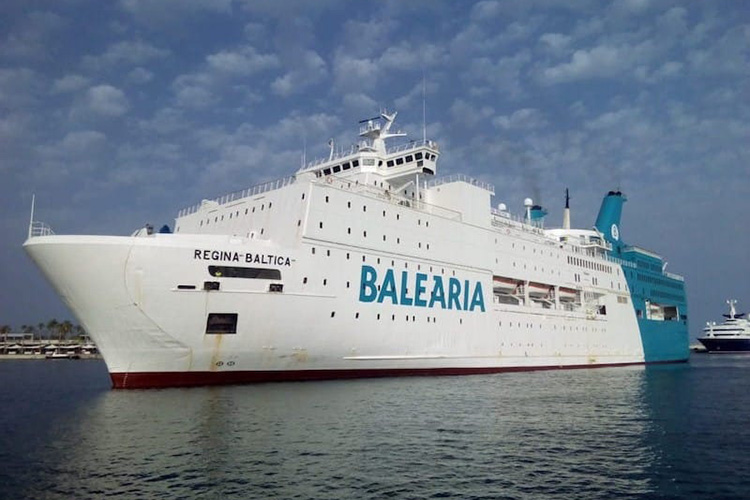
Only a few weeks after the reopening of the first maritime line between Algeria and the port of Castellón in southern Spain, the management of this maritime facility quickly announced advanced negotiations to launch new lines towards Algeria, with an economic mission in the coming weeks, the second of its kind in 2025 for the maritime transport sector in Spain, in a scene that reveals the extent of competition to win the national market after the rupture that caused huge losses to the Spanish side.
In this context, Rubén Ibáñez, CEO of the Castellón Port Authority, which is considered the beating heart of the Spanish ceramic industry, openly acknowledged that the restoration of maritime links with Algeria last August constituted a “fundamental turning point,” confirming that 90 percent of the raw materials used in the tile industry pass through this port towards Algeria.
The figures presented by the Spanish official, according to what was reported by the “Castellón Plaza News” website, reveal the depth of the crisis that the port went through, as ceramic-related trade represents 32 percent of its total activity, equivalent to 3.8 million tons since the beginning of the year, over nearly two and a half years of an almost complete Algerian boycott of Spanish products.
However, Algeria’s absence from the equation during the period of rupture left a gap that alternative markets could not fill, according to the same source. Even with significant exports to Morocco, Ireland, and Egypt, the size and weight of the Algerian market in construction and housing projects remain too large to be dispensed with, especially raw materials, equipment, and supplies, given the local projects initiated by Algerian private individuals in wilayas or provinces such as Sétif, Batna, and Boumerdès.
Perhaps the Spanish port’s urgency to organize a second trade mission to Algeria for the ceramics and maritime transport sector this year, as announced by Rubén Ibáñez, after the restoration of the first line, is the clearest evidence that there is an intense effort by the Spaniards to regain their position in the national market, but this time through partnerships and raw materials rather than through finished products.
Days ago, the Catalan employers’ organization announced the organization of a major economic mission bringing together businessmen and companies from the region, from November 24 to 26, in cooperation with the Spanish-Arab Bank Aresbank, which aims to enhance economic and commercial cooperation between Algeria and the Catalonia region, by exploring investment opportunities in strategic sectors, holding bilateral meetings between economic operators, and discussing new cooperation projects that benefit both parties.
During this mission, the focus will be on renewable energies, engineering, infrastructure, and urban transport, in addition to strategic sectors such as energy, mines, agriculture, and mechanical industries (especially automobiles), as well as digitalization, technology, tourism, and services, in addition to exploring available opportunities in the hydrocarbons and gas sector.