Stora: This is why the teaching of the “Algerian Liberation Revolution” in French schools has been delayed
Did you know that the history of the Algerian Liberation Revolution, or what France calls the “Algerian War”, was not allowed to be taught in French educational institutions until 1999? The question seems interesting to many who do not know, but it is the truth. What are the reasons and backgrounds of this political decision?
The aim was to forget, as Benjamin Stora said in an interview with the weekly “La Vie”. Or to say that it is an attempt by the authorities not to spread the rumor that official France is fond of wars, as it fought many wars in the last century, including World War I (1914/1919), then World War II (1939/1945), then the war in Indochina (Vietnam), especially) in the early 1950s, then the war in Algeria (1954/1962).
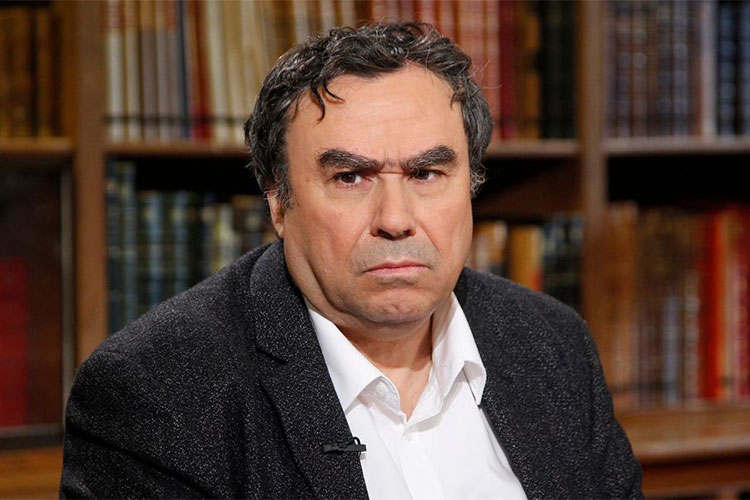
French historian Benjamin Stora says in the Dialogue: “They wanted progress in French society, especially since this society had been swept away by the winds of modernization in the sixties and seventies. On the one hand, the ‘harkis’, the pied noirs and the former conscripts (in the French army) wanted to forget in order to start a new life. “.
He adds: “There are other types of forgetting that are more complex to analyze: systematic forgetting organized by the state, through all the amnesty laws that have been passed and established in the Evian Accords, which confirmed that there would be no trials against the perpetrators of the war. Then there is a “general law”. 1964, the law of 1968 that restored and granted amnesty to the former supporters of the Organization of the Secret Army (OAS), the law of 1974 that compensated the “returnees” (of the Pied Black), and finally the law of 1982 that pardoned the coup generals. ….”
For the historian specializing in the historical relations between Algeria and France, new developments contributed to a change in the treatment of France’s colonial past in Algeria, including the decision of some actors in the French army to reveal their shocking secrets in Algeria when they felt their end was near, led by the “criminal” Paul Osaresses, who confessed in his memoirs to the assassination of Algerian lawyer Ali Boumnijel, after the occupation army’s narrative that he had committed suicide.
“Ossaresse’s confession in his memoirs was like a thunderbolt,” says Stora. Finally, in 1999, under pressure from veterans’ associations, the National Assembly (the lower chamber of the French Parliament) decided to vote in favor of official recognition of the Algerian War. Later, in 2001, he organized the first conference of historians to study the teaching of this war. For the first time, we are asking whether the Algerian war should be included in school textbooks!
One of the results of opening the way for the teaching of the “Algerian War” was the emergence of groups or blocs related to the file of memory, such as the Sons of the Movement and the Sons of Algerian Immigrants, who are fighting to have the date of October 17, 1961 recognized on the official agenda in France, considering that it was tantamount to brutal repression by the police. French broadcast of peaceful Algerian demonstrators demanding their civil and political rights.
As for the background of the French authorities’ deliberate decision not to teach the “Algerian War” in the official French curriculum, Stora believes that France’s departure from Algeria constituted a “crisis” for the French, because Algeria had a special status among the former French colonies, as it was forcibly annexed to France and was considered part of its soil in official laws, coinciding with the rise of “the new nationalism that categorically refuses to look at the colonial issue in a negative way, but considers it a lost glory”.
Here he speaks of two types of French people who differ in their approach to this issue, saying: “In the war of memory, there are those who want to confront this history with its positive and negative aspects, and there are those who want to look at only one aspect: the history of French greatness, which creates the political identity of the National Front. “(Marine Le Pen’s extremist party).
The head of the joint committee to discuss the memory file on the French side concludes by expressing his hope that the colonial countries, led by France, will face their history with courage, citing the role played by the report he prepared at the request of the French presidency, which, he says, argues for the recognition of France’s responsibility in the liquidation of Maurice Audin and Ali Boumendjel, who fought for the Algerian cause and the teaching of memory in French educational curricula.