The Joint Committee On Memory File Meets With Archives Topping The Agenda
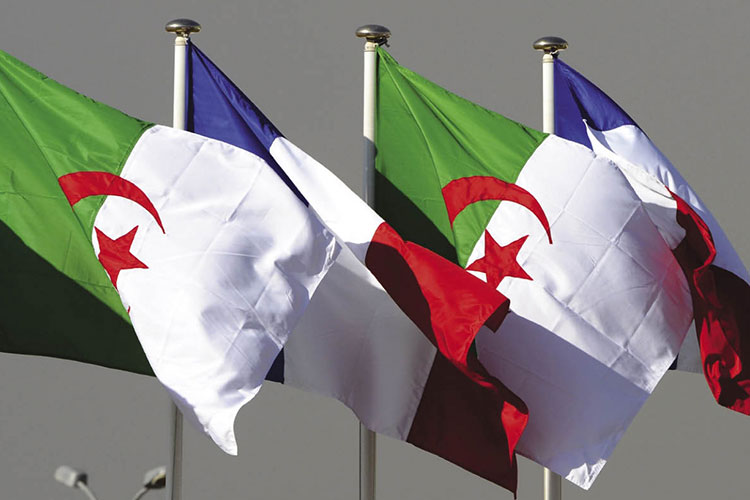
The Algerian-French joint committee on the file of memory will meet on Monday, May 20, 2024, on its fifth stop in Algeria, under the chairmanship of the historian Mohamed Lahcen Zghidi, on the Algerian side, and his counterpart Benjamin Stora, on the French side, to complete the programmed agenda, which, as is known, aims at lowering the temperature. The “war of memory” rages between the two countries due to the dark colonial past of France, which was full of heinous crimes in Algeria.
The work of the Mixed Committee will continue between the 20th and 25th of this month, following the meeting held in Paris, France, on January 25, 2024, which was dedicated to the discussion of the sensitive archive file, which is considered one of the most important issues that the Mixed Committee is working on, since the archive will serve as the basis for the final results of the work of this scientific committee, leading to the possibility of special political decisions being taken by the French side, as it is primarily responsible for the tragedies left by colonialism in Algeria.
According to an informed source, the committee will continue to work on the archive in a scientific, academic way, far from the political aspect, and it aims to establish the argument against the French side, of its responsibility in plundering and stealing the Algerian archive, and to push it to recognize that the archives and the archives that Algeria demands are purely Algerian. Then, the equation will change.
The source who spoke to “Echorouk” pointed out that the first four rounds achieved progress in forcing the French side to recognize that what Algeria is demanding is legitimate from a scientific and academic point of view, which he considers an important step in resolving this delicate and sensitive file.
At the beginning, it was said that French law prohibits the handing over of Emir Abdelkader’s belongings. According to the spokesman, this means that the French recognize that these belongings do not belong to France. Praise be to God, we were able to convince them in a scientific and academic way that these belongings were stolen from Algeria after we presented them to them. The inevitability of the recognition, and this is very important, because if the political decision to hand them over comes later, the matter becomes justified and the legal argument they invoke disappears, and this is considered an achievement, as he put it.
For example, there is a cannon in the city of Brest in northern France, and they claimed that it was French, and when we confronted them with an American report that talks about the French occupation army stealing about 2,000 cannons with “Made in Algeria” written in Arabic, then they could not deny that this cannon was Algerian, with this. The way we confronted the French side on many issues that were a matter of disagreement between the two parties, says our informed source.
The same spokesman confirms that the last visit that led the members of the mixed committee from the Algerian side to Paris in the framework of the fourth meeting, during which they came across a huge amount of archives in French archive centers near the capital, Paris, in addition to those stolen and in the possession of French families, because they were plundered extensively and Organized for more than 130 years.
There are things that we have not yet reached, the source adds, because there are some archives distributed even in the museums of some remote municipalities in the depths of France, and this requires French cooperation seriously and responsibly.
Therefore, the idea was born to digitize the archives in French museums in a way that would facilitate the transfer of copies of them to Algeria in the first stage, as stated in previous statements by the president of the Mixed Committee from the French side, pending the resolution of the issue at the political level, in view of its legal complications, and this will not be possible before the Mixed Committee completes its work within deadlines that have not yet been determined, due to the difficulty and complexity of the file.