UK licensed a transaction for exporting arms and military helicopters to Algeria worth £270 m

-
-
1166
-
0
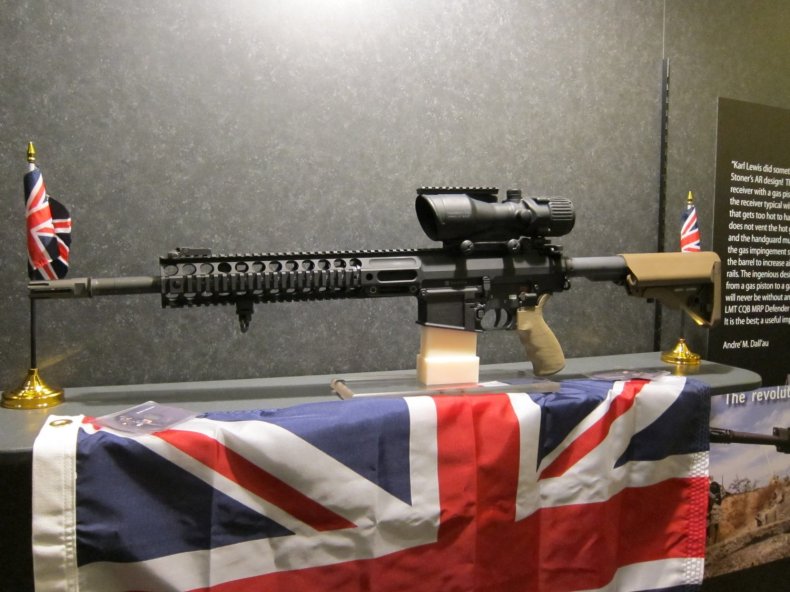
UK has ratified a transaction for exporting arms and military helicopters to Algeria worth £270 million, a report released by a British parliamentary committee said.
The Daily Mail reported on Tuesday that the British report on arms export control shows official figures explaining Britain’s ratification of a transaction for exporting military arms worth £2.3 b to 16 countries from the Middle East and North Africa, while the value of the licenses for exporting military equipments to Libya alone worth £61.3 m.
Britain’s authentication on licenses to export weapons to Algeria reached £276.9 m, to Egypt £20.4 m and to the UAE £52.8 m.
Same British newspaper added that the UK also agreed to grant export licenses for Bahrain worth £6 m covering rifles, machineguns, sniper rifles, smoke grenades, sound bombs, tear gas and riot control equipment.
Same reference explained that Britain had ratified the sale of night-vision goggles, body armor to Yemen, arms ammunition to Syria, and components of aircrafts and armored personnel carriers to Saudi Arabia, before deciding recently to conduct a comprehensive review of the process of licensing arms export to Middle East countries.
The Daily Mail’s report shows that the current and past British governments fail to judge the risks associated with the use of weapons through licensing weapons’ exportation to certain North African and Middle East countries for internal repression and oppression.
In 2009 a defense bilateral agreement between Britain and Algeria was signed following the visit of the British defense minister Bob Ainsworth to Algeria aiming to boost military and defense cooperation between both countries.
Previously, Algeria has announced an international tender to provide the navy with four heavy frigates worth 2 billion Euros. British media sources asserted that the UK won the tender at a time John Brown’s government sought to provide more than 4.000 jobs. Some British thought that the deal would boost the country’s economy which noticed a recession and deflation due to the economic crisis.