A black week for Algerian government because of oil collapse

الشروق أونلاين
-
-
755
-
0
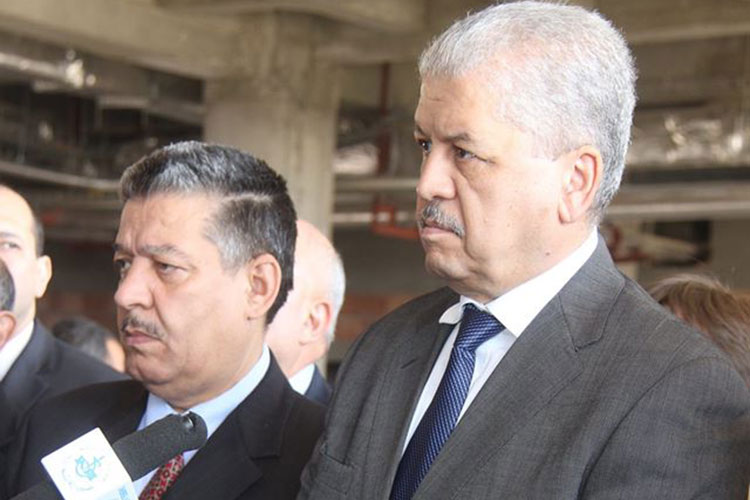
Abdelmalek Sellal, Algeria's Prime Minister. Photo: archive
Energy Minister, Saleh Khebri, recognized the bad situation which Algeria is noticing because of the oil crisis, and said that last week was a black week on the Treasury after the collapse of the oil barrel’s price, which reached $ 55.
“Oil price’s collapse due to a decline of demand in the international market and the repercussions of the Greek crisis and the situation in Iran and China. A breakthrough in the crisis will start soon.”
Khebri said during a working visit that led him to Oran: “We are not looking for a specific price of oil, our goal is raising production and increasing the demand. We do not search for new markets outside Europe, and we will conclude new deals”.
Concerning the repercussions of the OPEC decisions, which met on last June, the expert confirmed that the Group’s countries do not stand from behind to raise production and reduce the price, in reference to Saudi Arabia and the Gulf States, but other countries outside the “OPEC” in the forefront of Russia, which insists to raise production, which had an impact on the confining it within the limits of 31 million barrels per day, stating “We were 12 countries and every state was looking for its interest, as the same situation was for Algeria.”
With regard to the oil crisis and the continued importation from abroad, the Energy Minister rejected the operational energy which adoption started in 2010, describing it as unreasonable, especially since Algeria is primarily a petroleum country, and its services seek to reduce the importation by opening new refineries and raise the production capacity of the existing plants, including Hassi Messaoud, Skikda and Oran.
“Other three units were prepared in Biskra, Tiaret and other Wilayas, with a production capacity of 5 million barrels annually.”
“Energy Minister expressed satisfaction of the training of Algerian officials in the field of petroleum, wondering about the reason for resorting to foreign labor at a time when Algeria created a number of institutes for oil studies from which thousands graduate annually, criticizing at the same time the shortcomings which beset Oran Institute.”