A Striking Official And Media Calm From France In Dealing With Algeria
“I control every word I say,” a phrase uttered by Sansal in his first media appearance since arriving on French soil, summarizes French policy towards Algeria recently. Its core is a seemingly cunning inclination towards de-escalation, especially since there are outstanding French demands to be met, foremost among them securing a safe exit for the case of sports journalist Christophe Glize, who is awaiting his appeal hearing early next month.
Official French directives to avoid any tone that could lead to escalation were clearly evident in the Franco-Algerian writer, Boualem Sansal, in his various press appearances for more than one French media outlet. He seemed to be walking through a minefield, careful not to provoke the Algerian side, which was undoubtedly recording any hint or insinuation in his statements.
The French newspaper “Le Monde” had analyzed President Emmanuel Macron’s reception of Boualem Sansal at the Élysée Palace, immediately after his arrival from Germany. It noted the absence of any photo or video of this reception, which was unusual given the level to which the pardoned writer, by presidential decree in Algeria, was elevated by French right-wing politicians and media outlets orbiting this current charged with hostility towards everything related to Algeria.
“Le Monde” commented on the incident, saying: “… at the highest level, the French government spared no effort to show respect for the writer. But without any media fanfare. No images or sound were used to commemorate this official tribute.
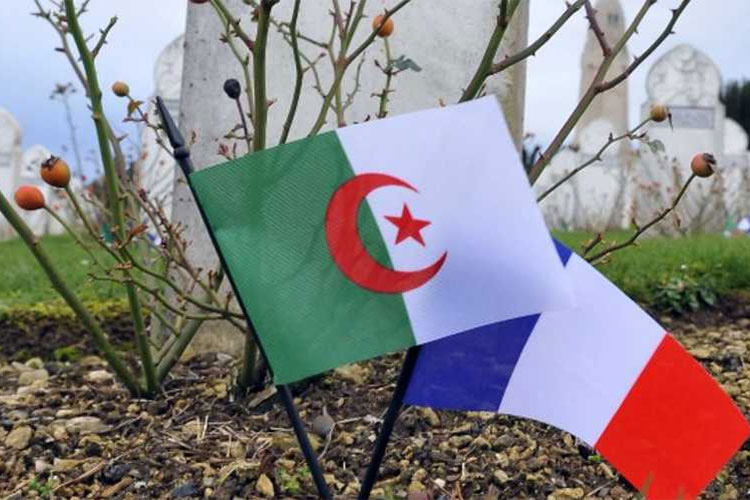
It is as if simple communication is necessary, given that Franco-Algerian relations have entered a fragile period of calm after a violent crisis that lasted fifteen months, the most severe since Algeria’s independence in 1962.”
For over a year that Boualem Sansal spent in prison due to a deserved conviction, the French have affirmed that freedom of expression is sacred to them. However, when the issue concerned France’s interests, they abandoned it. They had caused an uproar when Sansal was imprisoned, claiming the issue was about freedom of expression, but today they silence him, realizing they have contradicted their previous statements.
Among what French officials have reiterated since Sansal’s presidential pardon, and what Sansal himself has also reiterated, is that they are thinking about the fate of journalist Christophe Glize, who is also in prison and awaiting his appeal hearing early next December, on charges of glorifying and supporting terrorism. Will this French calm be the calm before the storm?
The French are known in their relations with Algeria for being untrustworthy, and they do not understand the meaning of friendship. In 2005, while the two countries were preparing to sign a friendship treaty following the visit of former French President Jacques Chirac, the French parliament issued a law glorifying French colonial practices in Algeria by teaching them in schools, and the project of that treaty collapsed until today.
In the summer before last, while there was frequent talk of an anticipated visit by President Abdelmadjid Tebboune to France, in response to his French counterpart’s visit, the latter stabbed Algeria in the back by siding with the Moroccan regime’s position on the Western Sahara issue. This position plunged bilateral relations into a crisis that continues to this day. Nevertheless, the French side still hopes to achieve more of its demands after pardoning Boualem Sansal, completely ignoring legitimate Algerian demands.
The French truce these days seems cunning, and its engineers have calculations that are no longer hidden from observers of Algerian relations, perhaps the most prominent of which is to find an urgent solution to the case of sports journalist Christophe Glize, which officials in Algeria are well aware of.