New External Liabilities for Banks Starting May 2026
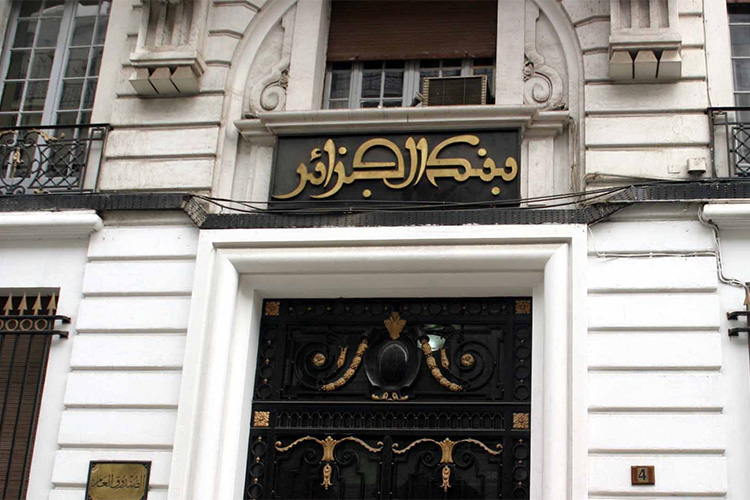
The Bank of Algeria has set a new limit on banks’ external liabilities, capping them at 50% of their equity. This regulation will take effect on May 1, 2026, and banks are required to comply immediately, without any transition period.
The Bank of Algeria has issued a new directive regarding the assessment of external liabilities for banks and financial institutions. This is outlined in Directive No. 03-26, dated April 26, 2026, which amends Directive No. 02-2015, originally issued on July 22, 2015. The directive was signed by Mohamed Lamine Lebou, the Governor of the Bank of Algeria, and was reviewed by Echourouk newspaper. The purpose of this new directive is to update and enhance the previous guidelines on determining external liabilities for banks and financial institutions.
Article 2 states that external obligations for banks and financial institutions must not exceed 50% of their regulatory capital, as defined by prudential regulations. This includes obligations related to guarantees and off-balance sheet credits.
Article 3 states that this directive will come into effect on May 1, 2026, while ensuring that the provisions of Directive No. 02-2015, as updated by this directive, remain unchanged.
This directive from the Bank of Algeria reflects a broader context of heightened financial risks and stricter prudential standards, driven by recent changes in the global financial system. Monetary authorities aim to safeguard the banking sector from potential external shocks, especially those linked to international market volatility and increased use of off-balance-sheet guarantees and liabilities.
The decision reflects a commitment to strengthening discipline within banks and financial institutions by setting a clear ceiling on external commitments, which are commonly used to finance foreign trade or issue guarantees. While these instruments provide notable economic benefits, they can introduce risks if not strictly regulated. This justifies the decision to cap them at 50% of regulatory capital.
One important reason for this is the desire to align Algeria’s regulatory framework with international standards, particularly those set by the Basel Committee on Banking Supervision. These standards emphasise the need to manage off-balance-sheet risks and strengthen banks’ capital adequacy. By adopting this approach, the credibility of the Algerian banking system is enhanced, thereby improving its reputation among international partners.
This directive offers several key benefits. It seeks to reduce systemic risk by requiring banks to align their liabilities more closely with their capacity to meet obligations. Furthermore, it motivates banks to strengthen risk management and implement more prudent policies when issuing guarantees. Collectively, these measures are expected to enhance the stability of the financial sector.
From an economic standpoint, this measure is expected to bolster confidence in the national banking system among both domestic and foreign investors, reaffirming Algeria’s commitment to gradual, well-thought-out financial reforms. Additionally, it equips monetary authorities with enhanced tools to monitor external financial flows, thereby supporting macroeconomic stability and safeguarding the national economy against potential shocks.
This directive is indirectly related to import operations, as a significant portion of these operations is financed through banking instruments like letters of credit and letters of guarantee. These instruments fall under the category of “external commitments by signature.” By capping these commitments at 50% of private funds, banks become more selective when financing import operations, particularly as they approach this limit. As a result, banks tend to prioritise strategic imports, such as raw materials and industrial equipment, while reducing financing for lower-priority or speculative imports. This approach serves a dual purpose: it enhances financial discipline within banks and indirectly regulates the import bill by controlling financing rather than imposing administrative restrictions. Consequently, this measure positively impacts hard currency balances and market regulation.