Algeria hikes its oil output by 10,000 barrels a day

-
-
824
-
0
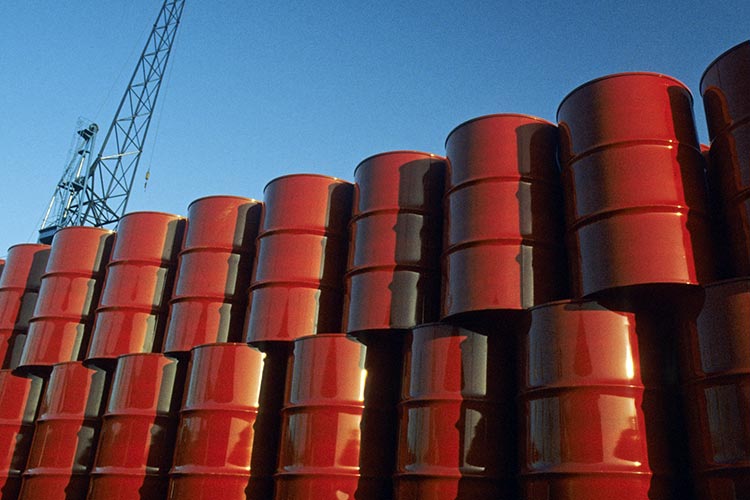
The monthly average price of Saharan Algerian Blend in the month of July retreated by over 5 dollars to be set at 56.34 dollars per barrel, as expectations point to the possibility of closing the year with an annual rate around 58 dollars per barrel, representing a drop of about 50 percent. As a result, Algeria raised its oil production by 10,000 barrels a day.
In a monthly report issued this week, the Organization of the Petroleum Exporting Countries (OPEC) forecast no extra demand for its crude oil this year despite faster global growth in consumption, because of higher-than-expected production from the United States and other countries outside the group.
OPEC also said its members continue to boost supplies. According to secondary sources cited by the report, OPEC produced 31.51 million bpd in July – 1.5 million bpd more than its 30-million-bpd target.
Some OPEC members such as Algeria are concerned by the drop in prices and want the group to reduce supply. Gulf members, however, have rebuffed calls for an emergency OPEC meeting and show no sign of willingness to consider output cuts.
OPEC oil exporters have no plans for an emergency meeting to discuss the drop in oil prices before a next scheduled gathering in December, two OPEC delegates said on Monday.
Algerian Energy Minister Salah Khebri said earlier in Algiers that discussions about potentially holding such a meeting were ongoing, as oil prices fell towards $48 a barrel, their lowest since January.
Algeria is one of the Organization of the Petroleum Exporting Countries members which had misgivings about its 2014 shift in policy to defend market share rather than prop up prices, and has been seeking supply cuts.
Saudi Arabia and the Gulf members which drove the change of tack have shown no sign of softening their stance.
While OPEC countries are in touch with each other to discuss developments in the market, “there is no proposal for an emergency meeting,” one of the OPEC delegates said. Another said there was no suggestion of a meeting before the Dec. 4 gathering.
OPEC kept output policy unchanged at its last meeting held in June, despite lobbying by Khebri for a production cut. Oil’s collapse from over $100 in June 2014 is more painful for African OPEC countries like Algeria than for Gulf members.
Despite the drop in prices since the last OPEC meeting, officials including Secretary-General Abdullah al-Badri have downplayed the prospect of the group cutting output and said they expect rising demand to support prices.
Algeria, heavily dependent on oil income, has foreign exchange reserves as a cushion against any economic fallout, but the central bank director has warned those reserves may swiftly diminish if oil remains low for a long period.
Its foreign exchange reserves dropped by $19.02-billion to $159.9-billion in the first quarter of 2015 due to the collapse in global crude oil prices.