Algeria: New crisis unfolding in automobile imports

-
-
1039
-
0
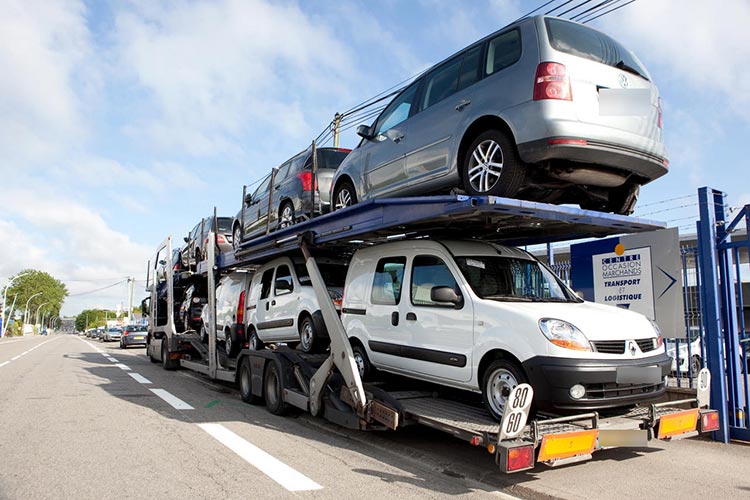
Correspondence between European factories and car dealerships accredited in Algeria point to the latter’s refusal to bear the consequences of the simmering automobile import crisis which has been affecting Algeria since last March after the entry into force of new stringent requirements contained in the book of specifications issued by the Ministry of industry and mines.
The Ministry’s move was aimed at “cleansing” the huge vehicle import market in Algeria by setting new regulations to be abided henceforth by all the Algeria-based car dealerships.
The Ministry set of late new rules for imported automobiles in Algeria, a fact which is ostensibly upsetting both the car makers and the dealers which seek financial compensation for losses in the imported vehicles’ cost notably with regard to the long transit stay in ports.
There are new measures controlling the activity of new car dealers in Algeria. Specifically, the provisions require that automobile dealers import vehicles under brands that are listed in a book of specifications published by the Ministry of Industry and Mines.
They shouldn’t import vehicles on behalf of other dealers. They ought to determine that newly imported vehicles meet Algeria’s standards of safety and environmental protection and recognized worldwide standards (but not less than the standards applicable in manufacturer’s country of origin) .
They must also Issue invoices directly to the licensor manufacturer and Import supplies only from a licensor manufacturer.
Authorized dealers in Algeria must comply with these provisions within a 12-month period from the decree’s official publication date.
The latest decline in car imports in Algeria occurred following the bold decisions taken by the government to curb the market of vehicles which has been characterized, over the past few years, by deep malfunctioning and illegal practices.
Among these irregularities, there are some illicit financial practices used by some car dealers aimed at transferring capitals to other countries, increasing expenses and balancing their accounts through increasingly used loopholes to avoid paying the country’s financial taxes and abiding by its tax inspection, according to a study carried out recently by the relevant ministry.