Businessmen hoard hard currency funds causing inflammation of Euro

الشروق أونلاين
-
-
1947
-
0
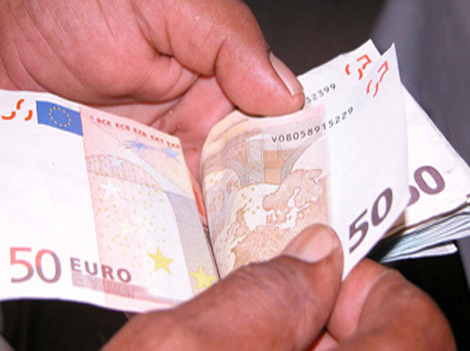
Photo: archives
Parallel market for hard currency noticed an unprecedented tension due to the fears from the possibility of the occurrence of disturbances during the coming Presidential Elections, which pushed the European currency to levels which have not been recorded since launching its existence in the Algerian market.
A sharp tension overwhelmed the business community on the eve of the Presidential Elections, as the vast majority rushed to buy significant amounts of foreign currency fearing of the changes that may be associated with the upcoming Presidential Elections.
The price of the Euro in the parallel market registered its highest level ever, surpassing 155 ZDZ per 1 Euro, due to the demand of the parallel market and the heads of the parallel companies which deal in the black market, and is available on well organized tools, that allow the transfer of huge amounts of hard currency abroad under any circumstances.
In addition to the demand of the heads of institutions and traders of the trunk and wholesale containers, foreign companies that are operating in Algeria, entered on the line of the black market for currency, which has become a mean for the black market of currency to transfer profits abroad, similar to the companies that are operating in the sector of wholesale distribution and a half wholesale for international brands, and agents, construction companies and nautical transport companies, to escape from the pressures that are practiced by the Bank of Algeria, concerning the process of transferring the profits.
Every foreign national or Algerian citizen has the right to convert 7200 Euros per trip, which makes it easier to convert large sums of money every month.
Confidence of clients worsened among the business with the national currency as a result of the undeclared reduction that was carried out by the Central Bank of Algeria at frequent intervals, sometimes in an attempt to adjust the exaggerated height on the import bill, as well as the repercussions which traders incurred under the terms of the Complementary Finance Act of 2009.
Central Bank of Algeria refuses to recognize the reduction operations, but businessmen and dealers in the import activity does not stop warning of the negative repercussions on the prices of imported raw materials and even the prices of imported products for sale on the condition.
A bank source told Echorouk that the smuggling of hard currency to foreign countries reached its peak in the recent weeks, according to the quasi-official indicators which monitor the phenomenon.
“Lack of a strong intention with the state authorities to adjust the currency market through the creation of official offices for exchange, will contribute in a continued dangerous of the phenomenon which poses a threat to the stability of the value of the national currency and the Algerian economy in general, as the authorities continue to turn a blind eye for unknown reasons before the activity of selling the hard currency in the informal market, which represents about 40% of the total volume of the cash mass, which is in circulation.