Criminalising French Colonialism: Algerian Parliament to Decide on Wednesday
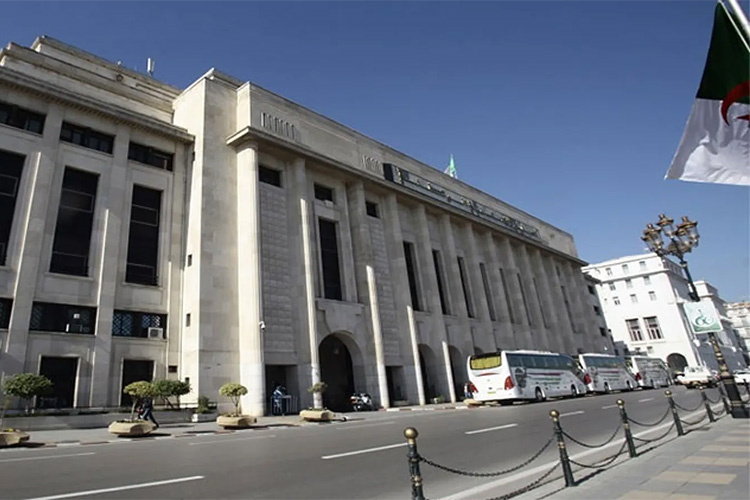
Members of the National People’s Assembly will vote on Wednesday on a draft criminalising French colonialism in Algeria.
The draft includes 27 articles calling on the French state to officially acknowledge, apologise for, and provide compensation for crimes committed during 132 years of colonisation.
The vote will be attended by the initiators of previous parliamentary proposals, who received official invitations from the Speaker of the National People’s Assembly, Ibrahim Boughali.
The amendments proposed by the MPs to the draft, which Echorouk has reviewed, did not exceed four and were limited to linguistic and stylistic aspects without affecting the core of the text or its content. So, the complementary report will be presented to the MPs during a plenary session on Wednesday, after incorporating the proposed amendments.
Among the most prominent proposed amendments is that related to Article 18. Those advocating for the amendment explained that they prioritised accuracy, clarity, and consistency within the law, given that Article 17 addresses actions, not individuals. Accordingly, they proposed amending Article 18 to read: “In addition to the loss of civil and political rights, the acts referred to in Article 17 shall be punishable by temporary imprisonment of five to ten years and a fine.” Other linguistic amendments were also introduced.
Last Saturday’s parliamentary session in the lower house, which discussed the draft initiated by members of parliament at the beginning of this year, saw a consensus among the heads of the six parliamentary blocs. Members of the government and representatives of revolutionary family organisations were also present. In their interventions, the heads of the parliamentary groups expressed their full support for the draft, considering it a rare national consensus on a sovereign issue. The discussion was characterised by a spirit of consensus, as the proposed law enshrines the protection of national memory and places it within a clear legal framework.
The draft, comprising five chapters and 27 articles, defines its purpose as criminalising French colonialism in Algeria from 1830 to 1962. It specifies the legal nature of the crimes committed and includes provisions regarding the French government’s responsibility for its colonial past, as well as mechanisms for demanding official recognition and apology for these crimes.
The draft also addresses the issue of comprehensive and equitable compensation for all material and moral damages inflicted by French colonialism in Algeria. It includes provisions criminalising the glorification and promotion of French colonialism, as well as any offence against the symbols of the popular resistance, the national movement, and the November 1, 1954, revolution.
Under this draft, France is required to clean up nuclear test sites and all contaminated places, regardless of the type of contamination, and to hand over maps of nuclear tests, chemical experiments, and landmines. It also demands the return of all assets transferred outside Algeria, including the national archives.
The draft also stipulates that the French state must return the skulls of resistance figures, national movement leaders, and liberation revolutionaries for burial in Algerian soil, as part of the process of preserving national memory and safeguarding the country’s historical sovereignty.
Previously, the chairman of the National People’s Assembly, Ibrahim Boughali, emphasized the importance of the draft criminalizing French colonialism in Algeria, considering that this issue – according to him – is the issue of the entire people, noting that the draft is not limited to being a legislative text only, but is a moment of awareness and loyalty and a pivotal role in the path of modern Algeria, in which the state, through its legislative institution, renews its covenant with the national memory and with the conscience of history.