The Gulf Energy Crisis Pushes Europeans Towards Closer Ties With Algeria
This week witnessed a flurry of activity in Algeria’s relations with its northern neighbours, Spain and France.
On Tuesday, March 17, 2026, the Secretary-General of the Ministry of Foreign Affairs, Lounes Magramane, received the Spanish Ambassador to Algeria, Ramiro Fernández Bachiller. A day earlier, French Foreign Minister Jean-Noël Barrot had contacted his Algerian counterpart, Ahmed Attaf. This activity coincided with the repercussions of the US and Zionist entity’s war on the Islamic Republic of Iran, particularly in the energy sector.
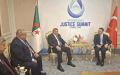
The meeting between the Secretary General of the Ministry of Foreign Affairs and the Spanish Ambassador to Algeria on Tuesday, March 17, 2026, provided an opportunity to “review the agenda of upcoming bilateral visits and engagements and exchange views on the most pressing regional and international issues,” according to a statement from the Algerian Foreign Ministry. This indicates a move by both countries to exchange official visits to overcome the fallout from the crisis caused by Prime Minister Pedro Sánchez’s shift in Spain’s position on the Western Sahara issue. Similarly, the French Foreign Minister’s call to his Algerian counterpart came nearly a year after the last contact between the two countries’ top diplomats, amidst an unprecedented diplomatic crisis.
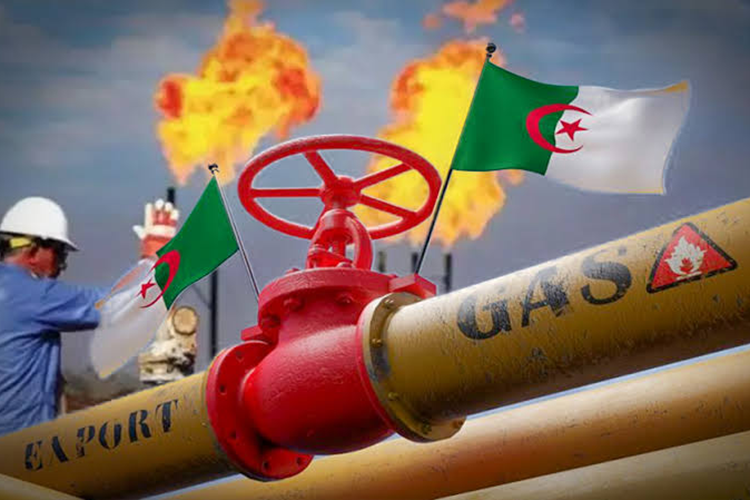
Alongside the warming of diplomatic relations between Algeria and its neighbours on the northern shore of the Mediterranean, relations between Algeria, Spain, and France have witnessed a notable surge in energy cooperation. Bloomberg News revealed that the Spanish company Naturgy is seeking to increase its imports of Algerian gas to mitigate the impact of the severe energy crisis resulting from the US-Israeli war on Iran. This war, as is well known, led to the closure of the vital Strait of Hormuz, through which approximately 20% of the world’s fossil fuel supply passes.
According to the same source, the Spanish side sought a quick solution to the gas shortage and is looking for a reliable partner close to them and far removed from the conflict in the Middle East (especially the Gulf). They found no better option than Algerian gas, which flows to them via the Medgaz pipeline, directly connecting the two countries from Beni Saf in western Algeria to Almería in southern Spain. They hope Algeria will accept more cooperation to operate this pipeline at full capacity.
For its part, Algeria’s exports of liquefied natural gas (LNG) to France have witnessed a significant increase since the start of the US and Zionist entity’s war on Iran, specifically since the beginning of this month. Exports rose from 65,000 tons in the first week of March to more than 108,000 tons in the second week, according to the Washington-based energy platform “Energy,” indicating that Algeria has learned how to capitalise on the current situation, marked by a severe energy crisis.
France has long relied on increasing its imports of Algerian gas to meet its needs. During former French Prime Minister Elisabeth Borne’s visit to Algeria in the fall of 2022, French media reports indicated that Paris had requested Algeria to increase its gas exports by 50%.
Algeria’s response to the increasing European demands for energy, particularly gas, remains governed by its production capabilities, as well as its contractual obligations with countries such as Italy, which has become the dominant country for Algerian gas exports, after the crisis that erupted with Spain in 2022, against the backdrop of the shift in Madrid’s position on the Western Sahara issue. This means that what the rest of the European partners will receive will remain contingent on more than the contractual agreements with Rome.