Western Sahara: The “Autonomy” Plan, An Option Without a Legal Basis
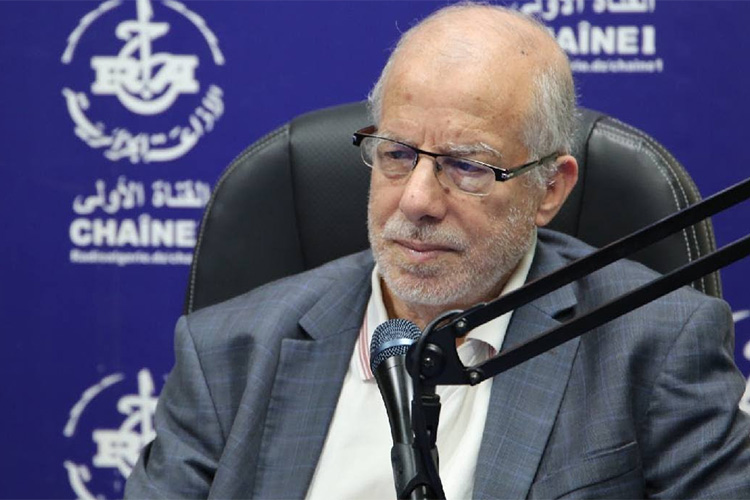
The Western Sahara issue is clear and constitutes a decolonisation case, as per UN resolutions, according to Said Ayachi, President of the Algerian National Committee for Solidarity with the Sahrawi People.
Ayachi recalled the latest recommendation issued by the UN General Assembly’s Fourth Committee on Decolonisation, which, during its meetings last October, reiterated its recommendation to hold a referendum on self-determination for the Sahrawi people.
Speaking on Wednesday as part of the “Morning Guest” program on the radio 1 channel, Ayachi explained that a settlement to the Western Sahara conflict should have been achieved in 1994 according to the UN peace plan. However, he added, “political manoeuvring and the fait accompli policy” pursued by the Moroccan regime and its supporters have prevented this.
He confirmed that “Morocco has never shown a genuine desire for a solution. Instead, it has proposed and promoted the autonomy plan since 2007, with the support of some foreign powers”. This proposal, which Ayachi described as “having no legal basis and contradicting international law”, was not the only option.
Ayachi also noted that the Polisario Front had previously expressed its willingness to accept the inclusion of this proposal among the options presented in the referendum, alongside the right to self-determination, in an attempt to break the deadlock. However, Morocco rejected any option other than autonomy, deeming it a “gift to the Sahrawi people” imposed without a referendum.
Ayachi emphasised that both international law and international courts have recognised that the Western Sahara is separate from Moroccan sovereignty. He explained that the autonomy proposal promoted by Morocco within the Security Council, with the support of its allies, was “fierce, arbitrary, and contrary to the provisions of international law.” This had provoked the displeasure of several countries within the Security Council because it constituted “an attack on the principles of international law.”
In the same context, Ayachi pointed to the statements of President Trump’s Special Envoy for Africa, the Middle East, and the Arab World, Musaad Boulos, which refuted Moroccan claims of a “major victory.”
He said that “Boulos’s statements were intended to correct the course, confirming that autonomy is not the only option on the table and that the door is open to other solutions and initiatives to reach a just settlement in accordance with international law and acceptable to both parties to the conflict.”
Ayachi added that Algeria, along with countries like Russia and China, contributed to amending the initial draft resolution concerning the Western Sahara issue within the Security Council. He emphasised that extending the MINURSO mission for another year demonstrates the United Nations’ continued commitment to the referendum option and its principles of decolonisation.
In response to those who question the Polisario Front’s representation of the Sahrawi people, Ayachi stated that it is the sole legitimate representative of the Sahrawi people in negotiations and international forums. He asserted that Morocco’s persistent and desperate attempts over the years to portray the Western Sahara conflict as one between Algeria and the Moroccan regime have failed.
He further explained, “The Moroccan conspiracy aimed from the outset to mislead the international community into believing that Algeria is a party to the conflict, to undermine international legitimacy and the provisions of international law.” He asserted that the recent Security Council resolution 27-97 clearly identified only two parties to the conflict: Morocco and the Polisario Front.
He added that “Algeria is playing its natural role in supporting just causes, given that the conflict is on its borders,” calling for a return to the negotiating table between Morocco and the Polisario Front to resolve the long-standing conflict and put an end to the suffering of the Sahrawi people in the camps.
Ayachi concluded that “the Algerian-Moroccan disputes do not need external mediation and the two countries can work to resolve them without the need for any foreign intervention. They are mainly due to Morocco’s violation of the principles of brotherhood and good neighbourliness, foremost among them the fierce and continuous media campaign against Algeria through social media networks and harming the livelihood of Algerians through the smuggling of goods, food and fuel, in addition to attempts to flood the country with drugs across the borders.”